Kenya’s seed sharing ruling a milestone for peasants’ rights and food security: UN experts
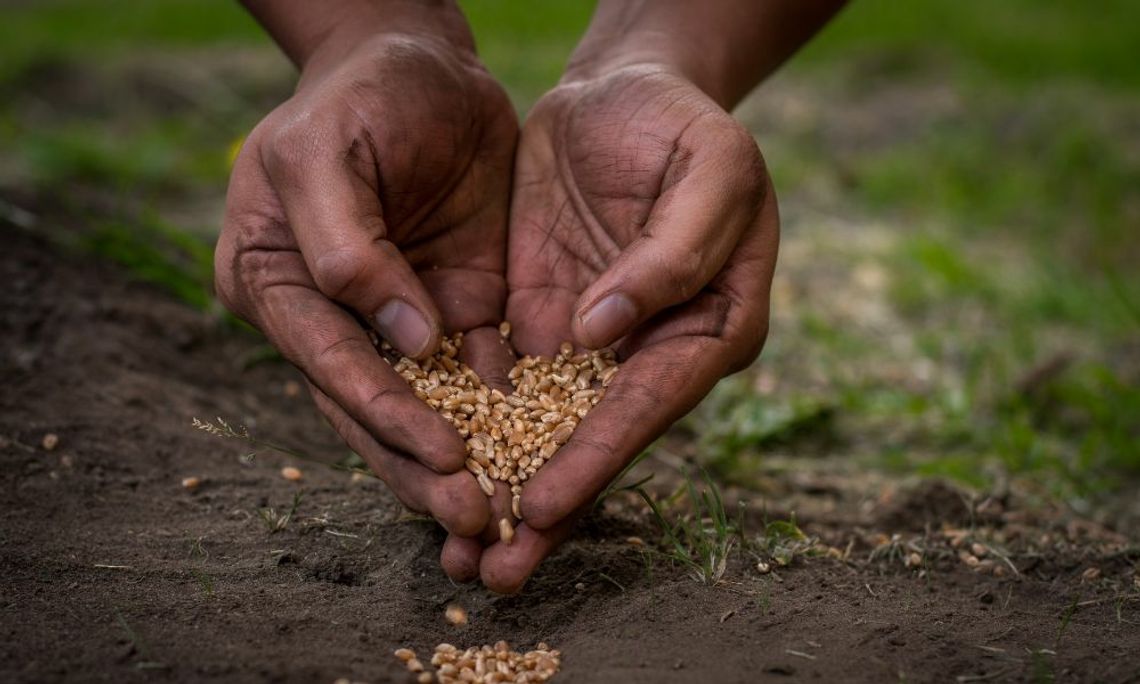
Image: https://static2.pelahatchienews.com/data/articles/xl-why-seed-sovereignty-is-vital-for-indigenous-peoples-1694443833.jpg
Defending Peasants’ Rights hereby republishes the press release issued by the UN Working Group on Peasants and Other People Working in Rural Areas on 11 December 2025 (available here)
GENEVA – UN experts* today welcomed a landmark ruling of the High Court of Kenya declaring unconstitutional provisions of the Seed and Plant Varieties Act that criminalised the saving, use, exchange and sale of Indigenous and farm-saved seeds.
“This judgment rightly recognises that seed sharing is not a crime, but a fundamental element of peasants’ identity, resilience and contribution to national food systems,” said the Working Group on Peasants and other people working in rural areas.
The High Court of Kenya found that the law, which granted exclusive marketing and property rights over seeds to breeders and seed companies and exposed farmers to potential imprisonment of up to two years for seed-saving and seed-sharing, violated farmers’ rights to life, livelihood and food. The Court stressed that centuries-old practices of seed-sharing form the backbone of Kenya’s food security and cultural heritage.
“This decision is a significant affirmation that the human rights of peasants and the imperatives of food security and biodiversity must prevail over overly restrictive intellectual property regimes,” the Working Group said.
The experts noted that similar restrictive provisions, often modelled on the 1991 Act of the International Union for the Protection of New Varieties of Plants (UPOV), have been incorporated into national laws in many countries – criminalising age-old practices in Indigenous and peasant agriculture.
“The Kenyan ruling sends a clear and timely message that human rights obligations cannot be subordinated to commercial seed monopolies or narrow interpretations of plant breeders’ rights,” the Working Group said.
The decision is consistent with the United Nations Declaration on the Rights of Peasants and Other People Working in Rural Areas (UNDROP), in particular article 19, which recognises the right to seeds, including the right to save, use, exchange and sell farm-saved seed or propagating material. The experts recalled their Briefing Paper on the Right to Seeds**, which clarifies that States must ensure that seed policies, certification schemes and intellectual property frameworks, are designed and applied in a manner that respects, protects and fulfils these rights, and that peasants-managed seed systems are legally recognised and actively supported.
“Courts play a critical role in ensuring that national laws comply with international human rights standards,” the Working Group said. “Where legislative frameworks have criminalised traditional seed systems or restricted peasants’ customary practices, judicial review offers an essential safeguard to restore the primacy of human rights and the right to food.”
The experts commended the courage and perseverance of Kenyan peasants, Indigenous Peoples and civil society actors who mobilised to secure seeds rights before the Court. “Their determination offers inspiration to peasant movements worldwide and shows that when courts uphold human rights, they defend not only the livelihoods of small-scale farmers and Indigenous Peoples but also the future of diverse, resilient and sovereign food systems,” they said.
“Kenya’s ruling should inspire similar human-rights-based interpretations of seed laws and plant variety protection regimes in other jurisdictions,” the Working Group said.
*The Working Group on Peasants and other people working in rural areas is comprised of five independent experts from all regions of the world. The Chair-Rapporteur is Carlos Duarte (Colombia), other members are Geneviève Savigny (France); Shalmali Guttal (India), Uche Ewelukwa Ofodile (Nigeria) and Davit Hakobyan (Armenia).
**Briefing paper on the right to seeds, issued by the Working Group in connection with the Eleventh Session of the Governing Body of the International Treaty on Plant Genetic Resources for Food and Agriculture (ITPGRFA), held from 24 to 29 November 2025 , details how States can integrate UNDROP obligations under the right to seeds to safeguarding peasants’ and Indigenous Peoples’ traditional practices and biodiversity.
Special Rapporteurs/Independent Experts/Working Groups are independent human rights experts appointed by the United Nations Human Rights Council. Together, these experts are referred to as the Special Procedures of the Human Rights Council. Special Procedures experts work on a voluntary basis; they are not UN staff and do not receive a salary for their work. While the UN Human Rights office acts as the secretariat for Special Procedures, the experts serve in their individual capacity and are independent from any government or organization, including OHCHR and the UN. Any views or opinions presented are solely those of the author and do not necessarily represent those of the UN or OHCHR.
Country-specific observations and recommendations by the UN human rights mechanisms, including the special procedures, the treaty bodies and the Universal Periodic Review, can be found on the Universal Human Rights Index https://uhri.ohchr.org/en/.
UN Human Rights, country page – Kenya
For inquiries and media requests, please contact: Jamshid GAZIYEV, Secretary of the Working Group on peasants and rural workers ([email protected]).
For media inquiries related to other UN independent experts, please contact Maya Derouaz ([email protected]) or Dharisha Indraguptha ([email protected])
Follow news related to the UN’s independent human rights experts on X: @UN_SPExperts.