New Factsheet on the Rights of Mobile Indigenous Peoples and Pastoralists: UNDROP as a legal and political leverage
This new factsheet by WAMIP and CETIM shows how UNDROP can be used as a legal and political tool to defend mobile indigenous peoples’s rights: from land, food sovereignty and livelihoods to biodiversity, participation, women’s rights, climate justice and more.
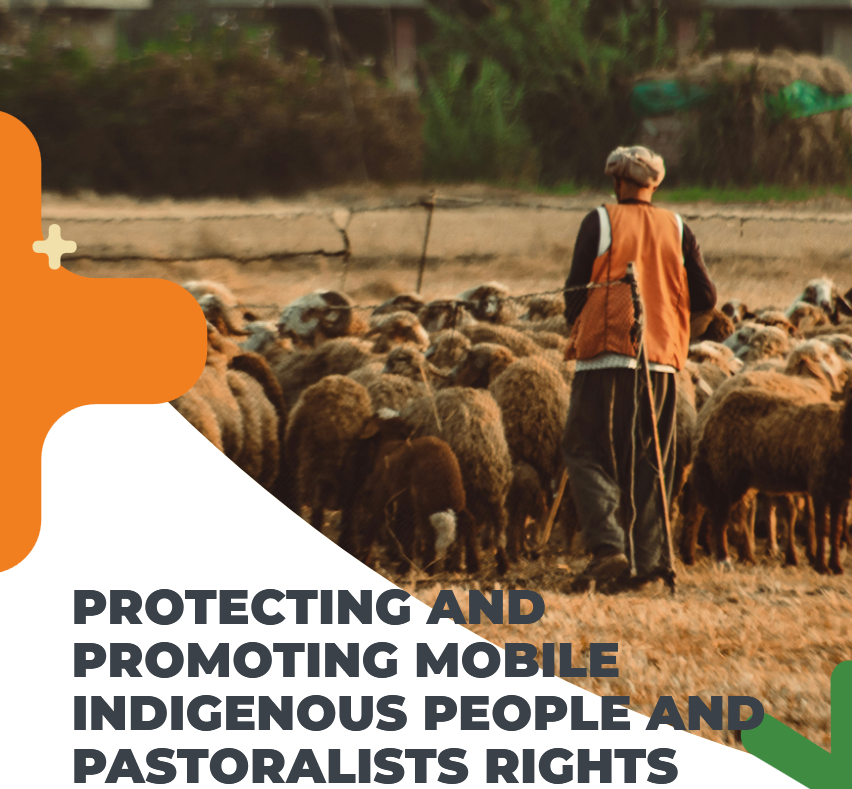
Nomadic and transhumant pastoralists face growing threats to their territories, water resources and traditional grazing routes. Land grabbing, privatisation of common lands, restrictive borders and policies that undermine pastoral mobility threaten their livelihoods, cultural practices and ways of life. These challenges also put at risk their vital contribution to biodiversity conservation, sustainable land management and resilient food systems.
UNDROP provides an essential framework to address these challenges. As the only international instrument explicitly recognising the rights of peasants and other people working in rural areas, it affirms the rights of pastoralists to land and natural resources, food sovereignty, participation in decision-making and the preservation of their traditional knowledge and practices. The factsheet explores how UNDROP can be mobilised to strengthen their struggles and advance the recognition and protection of mobile Indigenous peoples’ rights.