


Similar Posts
The UNDROP and its implementation in the context of Switzerland: an overview of political networks and challenges
In this article, Danilo Borghi Gonçalves Pinto analyses the perspectives and challenges of the Swiss coalition “Friends of the Declaration” in the promotion and implementation of the UNDROP in Switzerland. It identifies that although the coalition has mobilised the UNDROP on national and international spheres, the level of political articulation is greater in the latter…
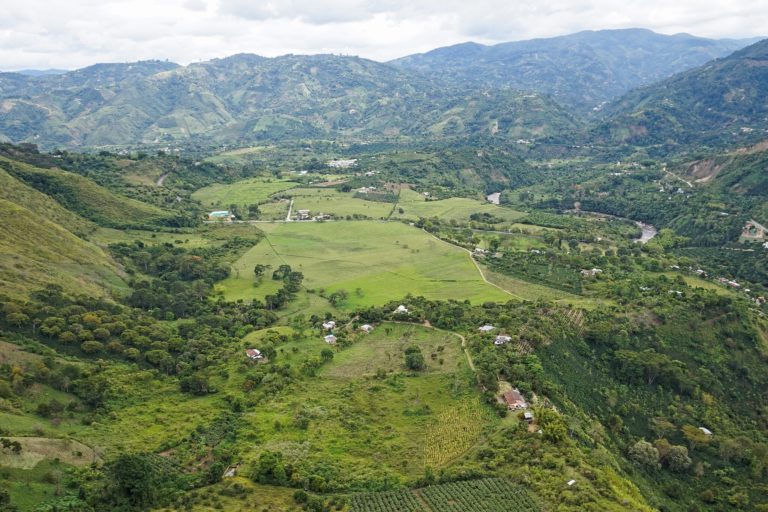
Towards an international recognition of the environmental component of peasantry – Pathways from the Convention on Biological Diversity.
Notes from the authors Introduction In this article we propose three approaches to recognize the “environmental component of the peasantry” in international environmental law. This concept, introduced by the Colombian Constitution through Legislative Act 01 of 2023, mandates that decision-making processes affecting peasants take into account their special relationship with the ecosystems they rely on….
TRAINING ON THE UNDROP – SESSION 2 “KEY RIGHTS OF THE UNDROP”
La Via Campesina and CETIM have organized a training course for La Via Campesina members in August 2023, and are now making training materials available to all. This material is also available in PDF version here. Session 2 of the UNDROP training seminar aims to provide a general overview and analysis of the key rights…
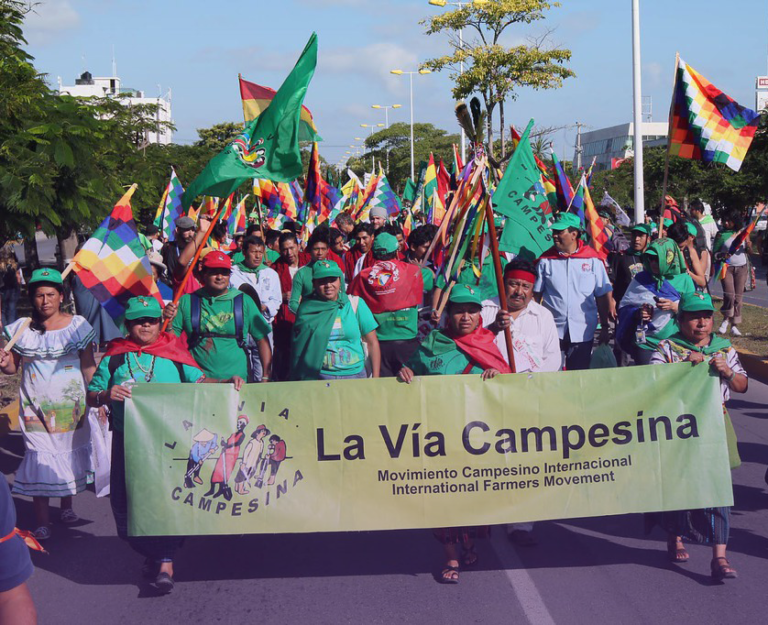
Declaration of Peasants Rights: An Instrument in the Struggle for Land
Now that the Declaration completes 4 years, read about some achievements and challenges of the peasant movement to implement it #LVC30Years #PeasantRightsNow This article was first publish on Capire’s website on December 20th, 2022. You can find it here. The Declaration of Peasant Rights was approved by the United Nations (UN) on December 17, 2018….
Universal Periodic Review of Cuba: CETIM highlights good practices on peasants’ rights
The Universal Periodic Review (UPR) is a human rights protection mechanism of the UN Human Rights Council. It is a process based on the review of each UN member state’s compliance with its human rights obligations and commitments. All member States are assessed by other States, which may make recommendations on different issues and with…
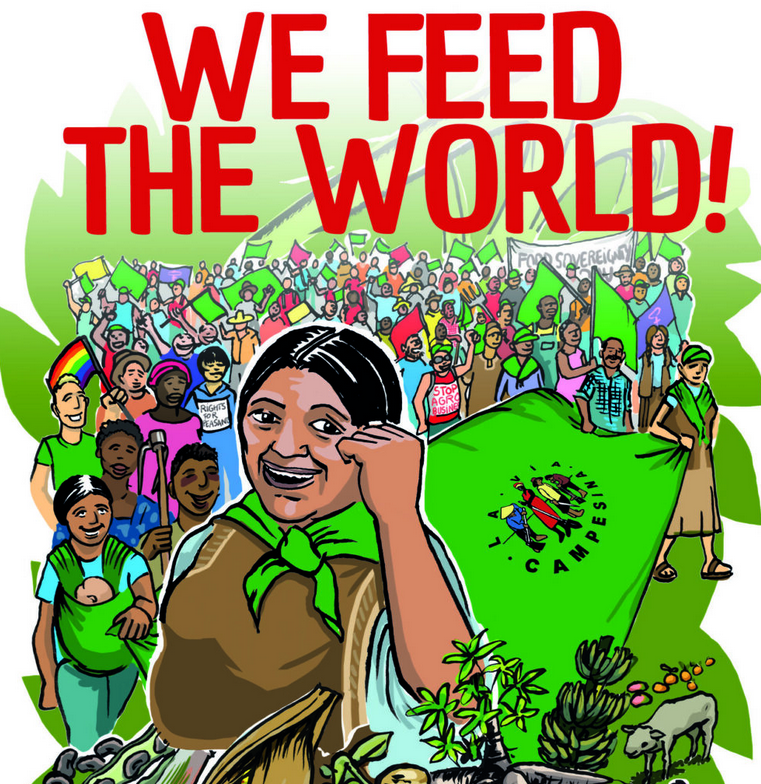
‘We Feed the World’ | An illustrated book in defense of peasant agriculture
Transnational Agribusiness has long violated the rights of peasants and other people working in rural areas with impunity. Backed by capital accumulated by exploiting agricultural producers, these Corporations work in connivance with local authorities, governments and sometimes even mercenaries. They forcefully evict people from their lands, push through pro-corporate reforms at the cost of public…